Healthy Dubai Eats Must Try Nutritious Dishes Local Ingredients and Where to Find Them
Dubai is famous for gold-dusted desserts, lavish brunches, and late-night shawarma runs. Yet some of the city’s best food is also simple, nourishing, and rooted in ingredients that have supported desert communities for generations.
Look beyond the big buffet tables and a healthier side of Dubai appears quickly. There are grilled fish dishes scented with spices, slow-cooked legumes, date-based snacks, camel milk, fresh herbs, whole grains, and vegetable-led plates influenced by Emirati, Levantine, Persian, Indian, and East African kitchens.
This guide highlights must-try foods that fit a healthy lifestyle while still feeling local and satisfying. Nutrition is personal, so treat this as general food guidance, not medical advice.

Dubai’s healthy food story starts with local ingredients
Dubai’s traditional food culture grew around smart use of limited resources. Before the city became a global dining capital, meals leaned on foods that travelled well, cooked slowly, and provided lasting energy.
Dates, fish, rice, wheat, legumes, yoghurt, spices, and herbs still form the base of many local dishes. They show up in both Emirati home-style cooking and modern cafés across the city.
A few ingredients are worth noticing as you explore.
Dates are a natural source of carbohydrates, fibre, and minerals such as potassium. They are sweet, so portion size matters, but a few dates can be a better snack than heavily processed sweets.
Fish has long been central to coastal Emirati food. Grilled or baked fish offers protein and healthy fats, especially when served with salad, lentils, or rice rather than fried sides.
Legumes such as chickpeas, lentils, and beans bring plant protein and fibre. They are common in hummus, foul medames, lentil soups, and bean stews.
Spices like turmeric, cardamom, cinnamon, cumin, coriander, and black pepper add flavour without needing excess salt or heavy sauces. Many are linked with digestive comfort in traditional cooking, though they should not be treated as cures.
Fermented dairy such as laban and yoghurt adds protein and a refreshing tang. It also pairs well with warm spices, rice, and grilled meats.
Traditional cooking methods play a big role too. Grilling, slow simmering, steaming, and baking are common across local and regional dishes. These methods build flavour without relying on deep-frying. That makes Dubai a strong destination for travellers who want food with both culture and nourishment.
Must-try nutritious dishes in Dubai
Dubai’s food scene is diverse, so healthy eating here does not mean sticking to one cuisine. The best approach is to choose dishes with whole ingredients, lean proteins, vegetables, pulses, and moderate portions.
Grilled hammour or sheri is a coastal classic
Fresh fish is one of the most rewarding healthy choices in Dubai. Hammour and sheri are popular local-style fish, often served grilled with lemon, spices, and rice or salad.
The nutritional benefits are clear. Fish provides high-quality protein and, depending on the type, beneficial fats. A grilled preparation keeps the dish lighter than fried seafood. Ask for sauces on the side if the fish comes with rich dressings.
Where to try it:
Deira Waterfront Market Buy fresh fish and eat at nearby casual seafood spots, or ask about simple grilled preparations.
Jumeirah Fishing Harbour A good area for seafood meals with a local coastal feel.
Traditional Emirati restaurants Look for grilled fish, seafood rice dishes, or fish served with fragrant spices.
For a balanced plate, pair grilled fish with salad, grilled vegetables, or a modest portion of rice.
Hummus and moutabal make smart shared starters
Hummus is made with chickpeas, tahini, lemon, and olive oil. Moutabal is a smoky aubergine dip mixed with tahini, lemon, and garlic. Both are common across Dubai’s Levantine restaurants and work well as healthier starters when shared.
Chickpeas offer fibre and plant protein. Aubergine adds volume and a soft texture with relatively few calories. Tahini brings healthy fats, though it is energy-dense, so scoop mindfully.
The healthiest way to enjoy these dips is with fresh vegetables, grilled meat, or a small amount of Arabic bread rather than endless bread refills.
Where to try it:
Arabian Tea House Good for a traditional atmosphere and regional plates.
Al Hallab Known for Levantine classics.
Zaroob Casual street-food style dishes with many mezze options.
Local cafeterias and grills Many serve fresh hummus with grilled chicken or kebabs.
Lentil soup is simple, filling, and comforting
Lentil soup is one of the easiest healthy dishes to find in Dubai. It appears in Lebanese, Turkish, Indian, and Emirati-style restaurants, usually as a warm starter.
Lentils bring fibre, plant protein, iron, and slow-release carbohydrates. A bowl can be filling without feeling heavy. Spices such as cumin, turmeric, and black pepper add warmth and depth.
Choose versions that taste hearty rather than creamy. Some restaurants blend lentils until smooth, while others keep the texture rustic. Both can be wholesome if not loaded with cream or butter.
Where to try it:
Levantine restaurants across Downtown Dubai, Jumeirah, and Deira
Casual Indian and Pakistani restaurants Look for dal-based soups and lentil stews.
Emirati restaurants Some menus include soups with local spices and legumes.
This is one of the best dishes for a light lunch before sightseeing.
Foul medames is a protein-rich breakfast option
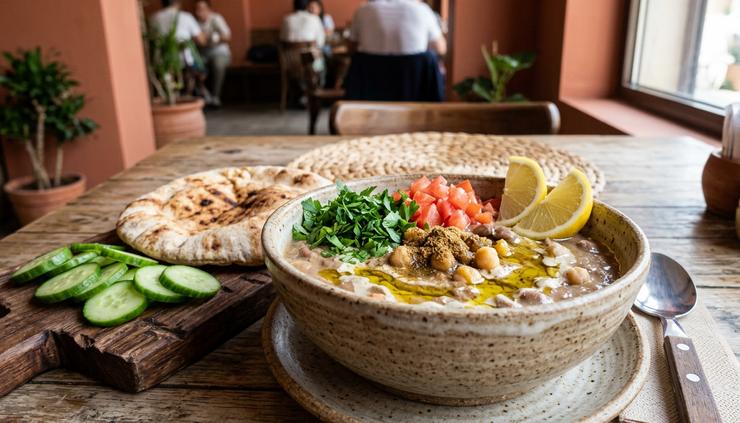
Foul medames is a slow-cooked fava bean dish often served with olive oil, lemon, garlic, herbs, and sometimes chopped tomato. It is especially popular for breakfast.
The dish is filling because fava beans contain fibre and protein. It offers steady energy, which helps if the day includes walking through souks, museums, or waterfront areas.
Ask for extra lemon, herbs, and vegetables. Go lighter on oil if needed. Enjoy it with a boiled egg or salad for a stronger protein boost.
Where to try it:
Old Dubai cafés in Deira and Bur Dubai
Lebanese breakfast restaurants
Casual Middle Eastern eateries Many open early and serve foul with fresh bread.
If you are exploring healthy Dubai eats must try nutritious dishes local ingredients and where to find them, foul medames belongs high on the list because it is affordable, traditional, and deeply satisfying.
Emirati dishes that can fit a balanced lifestyle
Traditional Emirati dishes often centre on rice, meat, fish, and spices. Some are rich and best enjoyed in smaller portions, while others can fit neatly into a balanced day.
Chicken or fish machboos offers spice and staying power
Machboos is a fragrant rice dish made with spices such as cardamom, cinnamon, cloves, dried lime, turmeric, and black pepper. It is often cooked with chicken, fish, or meat.
The dish can be balanced when the protein is grilled, roasted, or gently cooked, and when the rice portion is moderate. The spice mix gives the dish its bold flavour, so it does not need heavy sauces.
To make it lighter, choose chicken or fish, add salad, and share the rice if portions are large.
Where to try it:
Al Fanar Restaurant and Café A popular place for Emirati cooking in a heritage-style setting.
Logma Known for Khaleeji-inspired dishes and accessible local flavours.
SMCCU cultural meals The Sheikh Mohammed Centre for Cultural Understanding often introduces visitors to Emirati food culture in Old Dubai.
Harees is slow food at its most comforting
Harees is made by slow-cooking wheat and meat until they turn soft and porridge-like. It is often associated with Ramadan and special gatherings, but it can appear on Emirati menus.
Because it combines whole wheat and protein, harees can be filling in a small serving. Its strength lies in the cooking method. Slow simmering softens the grain and creates a creamy texture without needing complicated additions.
Some versions include ghee, so portion size matters. Treat harees as a nourishing traditional dish to taste, not a daily light meal.
Where to try it:
Emirati restaurants during Ramadan
Heritage dining experiences
Local family-style restaurants with seasonal menus
Balaleet can be enjoyed as a small sweet breakfast
Balaleet is a traditional sweet and savoury breakfast made with vermicelli, saffron, cardamom, and egg. It is often lightly sweetened and topped with an omelette.
It is not the lightest dish on the table, but it offers a useful lesson in balance. The egg adds protein, saffron and cardamom add flavour, and a small portion can satisfy a sweet craving early in the day.
Choose it when sharing a breakfast spread. Pair it with unsweetened tea, yoghurt, or fruit to keep the meal balanced.
Where to try it:
Arabian Tea House
Al Fanar
Local Emirati breakfast cafés
Healthy snacks, drinks, and market finds
Not every nutritious food in Dubai needs to be a full meal. Some of the best choices are small, portable, and easy to find between activities.
Dates with nuts are a better sweet bite
Dates stuffed with almonds or walnuts are common in Dubai. They combine natural sweetness with healthy fats and crunch from nuts.
Look for unsweetened, plain varieties rather than chocolate-coated or syrup-filled types. A couple of dates can pair beautifully with Arabic coffee, which is usually flavoured with cardamom.
Where to find them:
Dubai Spice Souk and nearby date shops
Supermarkets such as Carrefour and Spinneys
Speciality date stores in malls
Ripe Market when in season
Laban is cooling and satisfying
Laban is a fermented dairy drink that tastes tangy and refreshing. It is often served with rice dishes or enjoyed on its own.
It provides protein and hydration, and plain laban is usually a better choice than sweetened bottled drinks. Check labels if buying packaged versions, as sodium levels can vary.
Where to find it:
Local supermarkets
Emirati and Middle Eastern restaurants
Casual cafeterias
Manakish can be lighter with the right topping
Manakish is a flatbread topped with za’atar, cheese, minced meat, or vegetables. Za’atar versions can be a lighter choice, especially when shared or paired with salad.
Za’atar typically includes thyme, sesame seeds, sumac, and salt. Sesame adds healthy fats, while herbs and sumac bring strong flavour. Since flatbread portions can be large, share one or choose it as breakfast before an active day.
Where to try it:
Bakeries in Deira, Karama, and Jumeirah
Levantine cafés
Casual breakfast spots
Where to find healthier local food in Dubai
Dubai makes healthy eating easy if you know where to look. The city has luxury restaurants, neighbourhood bakeries, traditional cafés, fish markets, organic markets, and simple cafeterias all within reach.
Where to go | What to look for | Best for |
Deira Waterfront Market | Fresh fish, herbs, dates, vegetables | Seafood and market browsing |
Dubai Spice Souk | Cardamom, saffron, cinnamon, dried lime | Understanding local flavour |
Ripe Market | Fresh produce, small food vendors, healthier snacks | Weekend grazing and local products |
Arabian Tea House | Emirati breakfast, salads, grilled dishes | Traditional setting |
Al Fanar | Machboos, harees, Emirati classics | Local comfort food |
Logma | Khaleeji-inspired plates | Casual modern local food |
Bait Maryam | Levantine home-style dishes | Soups, mezze, grilled options |
Comptoir 102 | Salads, bowls, wholefood dishes | Modern health-focused meals |
When ordering, a few small choices help:
Choose grilled, baked, roasted, or steamed dishes when available.
Ask for sauces and dressings on the side.
Share rice-heavy or sweet dishes.
Add salad, yoghurt, or soup to round out a meal.
Drink water often, especially during warmer months.
These habits leave room for enjoyment. They also make it easier to taste traditional foods without feeling weighed down.
A healthy Dubai food day to try
A day of eating well in Dubai can still feel generous and local.
Start with foul medames, chopped vegetables, and tea at a neighbourhood café. If sharing breakfast, add a small plate of balaleet for a traditional sweet note.
For lunch, try lentil soup with hummus, moutabal, fattoush, and grilled chicken or fish. This gives a mix of fibre, protein, herbs, and bright flavours.
In the afternoon, visit a spice souk or date shop. Try a couple of dates with Arabic coffee, or choose plain laban if you want something cooling.
For dinner, order grilled seafood or chicken machboos with salad. Keep the rice portion moderate and enjoy the spices fully. If the restaurant serves harees, share a small bowl to experience a dish with deep cultural roots.
Healthy eating in Dubai does not require skipping local food. The city’s best nourishing dishes are often the most traditional ones: slow-cooked beans, grilled fish, fragrant spices, fermented dairy, fresh herbs, and dates eaten with care.
Let the markets guide you first. Then choose restaurants that treat simple ingredients well. That is where Dubai’s healthiest meals often live, close to the city’s older food traditions and full of flavour.


Comments